
Careers in Textile Manufacturing and Sourcing: Roles From Mill to Market
Behind every garment are merchandisers, planners, quality teams and sourcing specialists. Here is what those roles involve, where the work is, and how to train for it, with a focus on India.
By Style Serum Editorial Desk · · Edited by Sukhvinder Jabbal
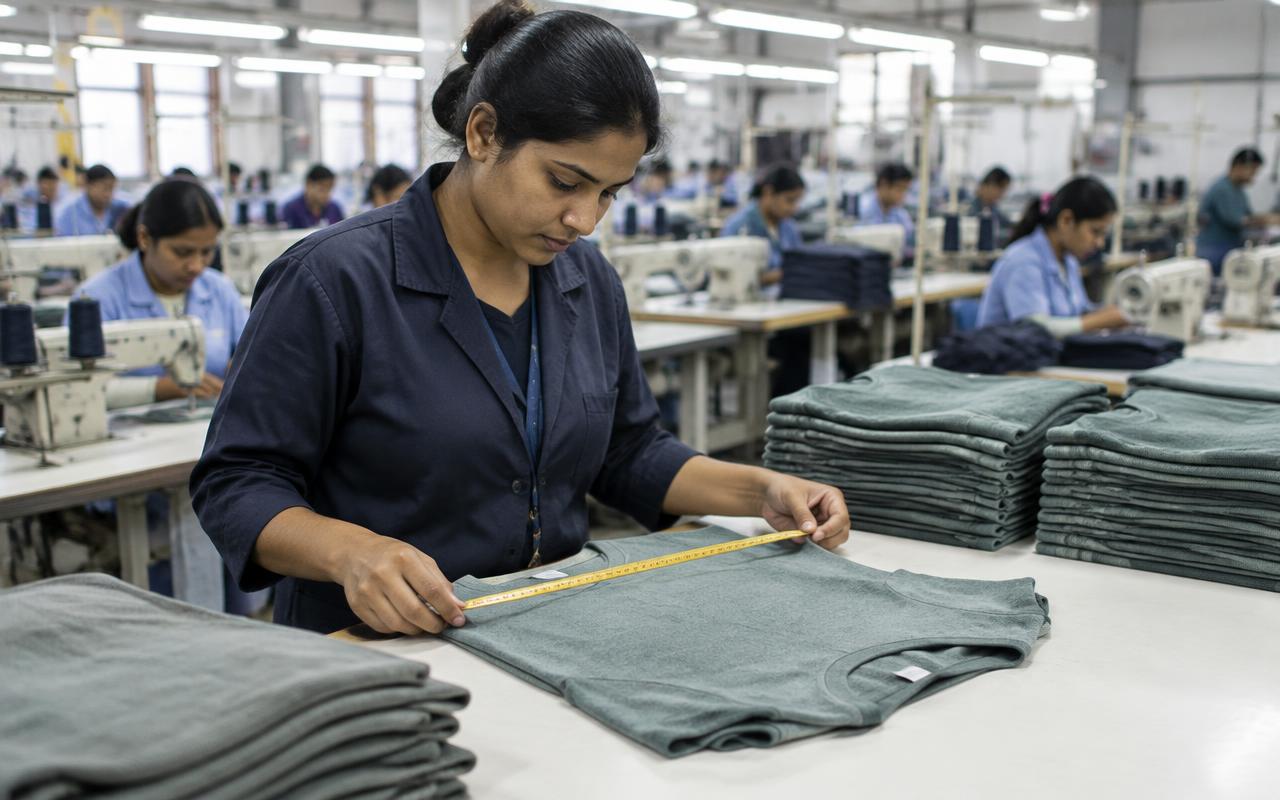
The industry behind the brands
Most fashion job ads come from brands and retailers. But the products they sell are developed and made by mills, garment factories and export houses, many of them in India, Bangladesh, Vietnam, Turkey and China. These businesses employ large commercial and technical teams, and the skills involved transfer well to brand-side roles in sourcing, product development and quality.
This guide explains the main roles and how to prepare for them. You can find manufacturers and mills in our Business Directory, each with a stated verification status and date.
Merchandiser at an export house
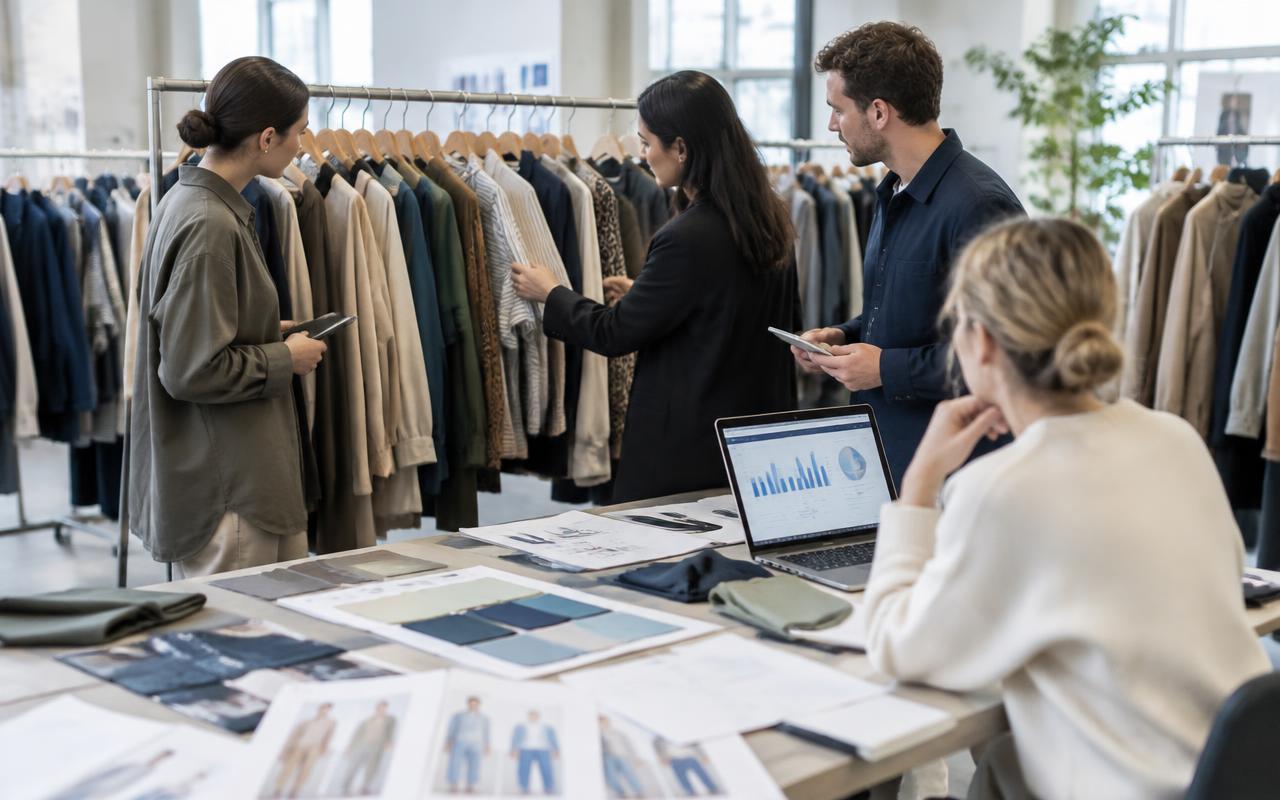
In manufacturing, "merchandiser" usually means the person who manages a buyer's order from enquiry to shipment. That includes costing, sampling, approving fabrics and trims, coordinating production and keeping the buyer informed. It is fast-moving, detail-heavy work and a common first role for graduates of fashion business and apparel production courses.
Production planning and industrial engineering
Production planners schedule orders across lines and units so that delivery dates are met. Industrial engineers study how garments are made, set standard minute values for operations, and look for ways to balance lines and reduce waste. Both roles need comfort with numbers and with the factory floor.
Quality assurance and quality control
Quality teams inspect fabrics, measure garments against specifications, and check construction, labelling and packaging before shipment. Senior roles manage testing against buyers' standards and work with suppliers on corrective action. On the brand side, the role continues: Reformation, for example, listed a Quality Assurance Manager for women's apparel imports in Los Angeles at $90,000 to $95,000 a year in November 2026.
Technical design and product development
Technical designers translate a designer's sketch into specifications that a factory can follow: measurements, tolerances, construction details and fit comments. Product developers manage the journey from first sample to approved bulk. Mills also employ fabric technologists, who develop and test new qualities.
Sourcing and compliance
Sourcing managers find and evaluate suppliers, negotiate prices and lead times, and balance cost against quality and risk. Compliance and sustainability specialists audit social and environmental standards, manage certifications and track traceability, an area growing in importance as brands face more disclosure requirements.
Where the work is in India
Production is spread across several hubs, each with its own specialisms. Tirupur in Tamil Nadu is known for knitwear. Surat in Gujarat is a major centre for synthetic textiles and sarees. The National Capital Region and Bengaluru host many garment exporters, and Ludhiana is known for woollen knitwear. Our Business Directory lists companies by location so you can see who operates where.
Training routes
Degree and diploma courses. The National Institute of Fashion Technology offers programmes in fashion technology, apparel production and fashion management across its campuses.
Skills certification. The Apparel, Made-Ups & Home Furnishing Sector Skill Council sets occupational standards and certifies training for apparel roles.
Government skills scheme. The Ministry of Textiles' Samarth scheme supports placement-oriented training for the textile sector.
Finding roles
Search our job board for production, sourcing and quality roles. Every listing shows its pay range. If you run a mill or factory, you can post jobs for free and link them to your verified directory profile so candidates see a verified employer badge.
Style Serum Editorial Desk
Source-based industry explainers
Explanatory analysis prepared from the official sources cited in each article. No original interviews or supplier audits are implied.
Reviewed by
Sukhvinder JabbalContributing Editor, Styling & Trends
NIFT-certified high-fashion and corporate stylist in Bengaluru with about eight years in runway, editorial, menswear and wardrobe styling.
More in Career Guides
How to Hire a Fashion Designer in India: A Guide for Brands
Style Serum Editorial Desk ·
How to Build a Fashion Portfolio and CV That Hiring Teams Actually Read
Sukhvinder Jabbal ·
Buyer, Merchandiser or Planner? How Fashion's Commercial Roles Differ
Vasundhara Chopra ·