
Textile Quality Testing: Using ISO and AATCC Methods in Supplier Approval
Build an end-use test plan, specify method options, and interpret results without confusing standardized procedures with universal acceptance limits.
By Style Serum Editorial Desk · · Edited by Sukhvinder Jabbal
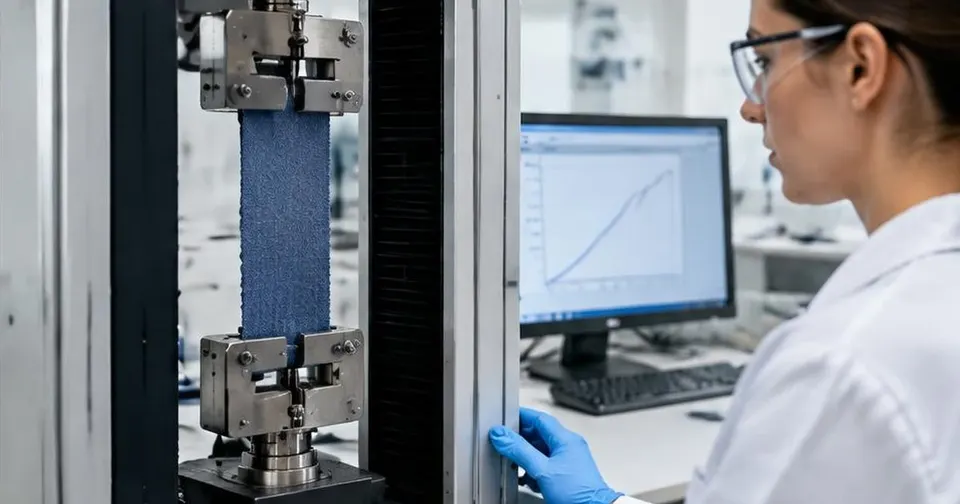
Begin with the failure you need to prevent
A useful textile test plan starts with product risks: an unacceptable fit change after washing, color transfer, loss of appearance, or another failure relevant to use. A generic request to “test to ISO and AATCC” does not identify the property, procedure, specimen, or acceptance decision. Specify what the product must do, then select methods appropriate to that question.
Keep three concepts separate: the test method defines how a property is evaluated; the result reports what happened to the specimen; the product specification states what is acceptable. Acceptance limits must come from applicable requirements and an end-use specification. Neither an ISO number nor an AATCC number, by itself, establishes a universal pass threshold for all textiles.
Pair dimensional-change assessment with defined laundering
The ISO 5077:2007 public abstract describes determination of dimensional change in fabrics, garments, or other textile articles subjected to specified washing and drying procedures. That description helps identify the purpose of the standard; it is not a substitute for obtaining the full method and following its requirements.
The ISO 6330:2021 public abstract covers domestic washing and drying procedures for textile testing, including reference detergents and ballasts. It notes that machine type, detergent, and dryer parameters can affect results. Therefore, a report saying only “washed to ISO 6330” lacks information needed for a meaningful purchasing comparison. Agree on the applicable procedure, drying route, repetitions, and reporting requirements with the laboratory.
AATCC’s laundering training overview identifies TM135 for dimensional changes of fabrics and TM150 for dimensional changes of garments. It also distinguishes methods addressing skew, seam twist, and appearance. A fabric dimensional-change test should not be presented as evidence that an assembled garment’s seams and appearance have also been evaluated.
Treat colorfastness as several questions
Colorfastness is not a single property. Select exposures relevant to the product and its care or use, then identify the appropriate method and evaluation. Color change in the original specimen and staining of another material are different outcomes; a summary that collapses both into “colorfastness passed” can hide important information.
The ISO 105-C06:2010 public abstract concerns resistance of textile color to domestic or commercial laundering. Its scope and cautions illustrate why method selection matters: the described detergent and bleach systems are part of the testing context, and industrial or hospital laundering may involve more severe conditions. Do not extrapolate an ordinary household-laundering result to every specialist application.
Avoid assuming that an ISO method and an AATCC method with a similar subject are interchangeable. If a customer requires one specific method, obtain agreement before substituting another. Where comparison is necessary, have a qualified laboratory explain relevant differences and any limitations; do not invent a conversion between ratings or procedures.
Write an executable laboratory request
For every required property, list the standard designation and edition, the selected options, specimen identity, required evaluation, and acceptance criterion. Ask the laboratory to flag ambiguities before testing. Use the purchased standard and competent technical advice to settle details rather than reconstructing a procedure from a public abstract or a training advertisement.
Include fiber content, construction, color, finish, lot or roll references, and intended care instructions. Define how samples will represent production and who selects them. A development swatch result supports that swatch under the reported conditions; it does not automatically establish conformity of every subsequent color, finish, or bulk lot.
Review competence and the complete report
Ask laboratories about experience with the requested methods, equipment control, and relevant accreditation scope where accreditation is required. An organization’s general accreditation statement should not be assumed to cover every method. AATCC provides official test method training, reinforcing the importance of consistent execution and interpretation rather than method numbers alone.
Review reports for specimen identity, procedure choices, results, units or ratings, deviations, and any qualified conclusions. When results disagree, first reconcile samples and test conditions. Retesting a different lot or changing laundering settings without documenting the change does not resolve whether the original result was valid.
Connect testing to a release decision
Set out who can release fabric, authorize a concession, request investigation, or reject a lot. Retain approved reference samples and link reports to the purchase specification. Define what process or material changes require renewed evaluation. Testing is most valuable when it answers a controlled purchasing question and leads to a documented decision—not when a familiar standards logo substitutes for understanding the fabric’s performance.
For repeat programs, review whether the testing plan still reflects actual use and customer requirements. A new finish, care instruction, construction, or processing site may change the relevant risks. Reassessment should be deliberate and documented rather than assuming that an earlier development report remains sufficient indefinitely for every later delivery.
Continue the analysis
This discussion connects with Textile Certification: Verify Scope, Chain of Custody, and Shipment Evidence and Woven vs. Knit: Selecting a Textile Mill for the Fabric You Need. Explore the full Textile Manufacturers section for related coverage.
Editorial note: This is source-based explanatory analysis, not firsthand reporting or a supplier audit. The cover is an AI-generated editorial illustration, not a photograph of a named company, designer or event.
Style Serum Editorial Desk
Source-based industry explainers
Explanatory analysis prepared from the official sources cited in each article. No original interviews or supplier audits are implied.

Reviewed by
Sukhvinder JabbalContributing Editor, Styling & Trends
NIFT-certified high-fashion and corporate stylist in Bengaluru with about eight years in runway, editorial, menswear and wardrobe styling.
More in Textile Manufacturers
How to Find Clothing Manufacturers in India: A Buyer's Guide
Style Serum Editorial Desk ·
Woven vs. Knit: Selecting a Textile Mill for the Fabric You Need
Style Serum Editorial Desk ·
Textile MOQ and Fabric Costing: Compare Orders on a Usable-Fabric Basis
Style Serum Editorial Desk ·