Behind K-Fashion: KOFOTI and Korea’s Textile Sourcing Ecosystem
A practical guide to reading Preview in Seoul as a materials-and-technology marketplace, not merely another fashion show.
By Style Serum Editorial Desk · · Edited by Vasundhara Chopra
Start upstream of the finished look
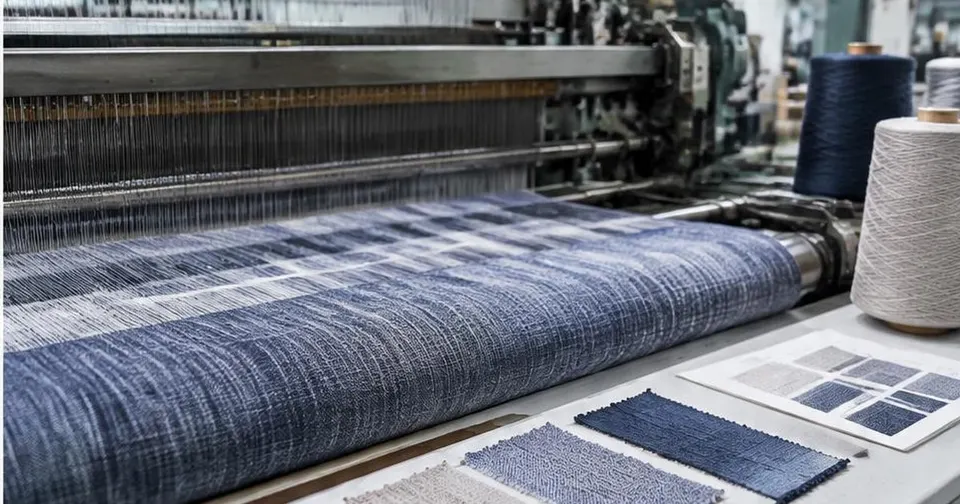
A finished garment compresses many decisions into one object: fibre selection, yarn structure, fabric construction, coloration, finishing, trims and assembly. A runway photograph reveals only some of them. Understanding Korea’s textile ecosystem therefore requires looking beyond designer visibility to the institutions and sourcing environments where materials and production capabilities become discoverable.
The Korea Federation of Textile Industries, or KOFOTI, provides one such point of entry. Its official exhibition information identifies Preview in Seoul as a show it organizes and lists yarns, fabrics, subsidiary materials, fashion apparel, machinery and fashion technology among its categories. That scope immediately distinguishes the event from a platform organized solely around finished designer collections.
What Preview in Seoul brings together
The official Preview in Seoul overview identifies KOFOTI as organizer and describes a mix of yarns, functional textiles, materials promoted as environmentally oriented, trims, digital solutions and textile machinery. It also outlines seminars and other related programming. The significance is the range of connected capabilities, not a claim that every exhibitor provides a complete supply chain.
A materials buyer might investigate a fabric; a development team might also need printing, finishing or a technology partner. Meeting these categories within one event can help reveal connections between a design intention and the processes required to deliver it. This is source-based business interpretation of the published event scope, not evidence that a particular collaboration has taken place.
The overview contains edition-specific dates, venue details and participation figures. Treat such information as belonging to the named edition and recheck it before making travel arrangements. Projected participation is not the same as a verified post-event total. More importantly, neither a large exhibitor list nor a busy venue establishes whether the right supplier is present for a particular brief.
Understand the institution’s role—and its limits
KOFOTI’s exhibition page also lists support for participation in other trade fairs and distinguishes organizing, supporting and related-event roles. This is a useful reminder to read institutional involvement precisely. An organization may make introductions and create access without manufacturing the material, guaranteeing the order or certifying every claim made by participating companies.
For a sourcing team, the platform is a discovery mechanism. Supplier qualification remains separate work. Confirm which legal entity will quote, invoice and manufacture; whether an exhibitor is a mill, agent or another intermediary; and which processes are performed elsewhere. Those are recommended due-diligence questions, not allegations about Preview in Seoul participants or additional requirements imposed by the organizer.
Arrive with a material brief
A productive brief translates an aesthetic objective into questions a supplier can answer. Specify the garment category, desired handle, target weight or performance needs, intended use and commercial constraints. If the goal is a structured jacket, discuss the required behavior of the fabric rather than relying only on a mood-board image. Reference images can begin a conversation but cannot replace specifications.
Separate essential requirements from preferences. A development team might prioritize repeatable colour and dependable delivery over access to a more experimental finish. Another project might accept a longer development period for a distinctive surface. Writing down these trade-offs helps avoid collecting attractive swatches that cannot realistically enter the collection.
At the booth, record article codes and contact details alongside samples. Ask about sample availability, production minimums, lead times and whether the shown material is a stock item or requires development. These are recommended procurement practices. The official event overview establishes the categories on offer, not the commercial terms of individual suppliers.
Translate sustainability language into evidence
The Preview in Seoul overview uses sustainability-oriented language in describing its materials focus. That tells visitors what the event aims to showcase; it does not establish the environmental performance of every product. A buyer should ask what a specific claim covers: fibre input, processing, traceability, a facility, a product or a transaction.
Request documentation that matches the actual material being considered. If a supplier presents a certificate, check its scope, validity and relationship to the supplying entity and proposed order. If a performance claim matters to the finished garment, agree how it will be tested. These are source-based sourcing recommendations, not a claim that the show requires a particular certification scheme.
Avoid converting a broad adjective into a stronger consumer promise. A material described at a fair as environmentally friendly does not automatically justify calling a finished jacket fully sustainable. Garment components, manufacturing and the precise meaning of the claim need separate consideration. The distinction protects both product accuracy and the usefulness of the supplier conversation.
From discovery to a controlled trial
After the event, compare candidates against the same brief. Request the information missing from each quotation rather than choosing on swatch appearance alone. Build a small development plan covering sampling, testing, approvals and responsibility for changes. Keep the approved sample linked to its material code so that later substitutions are visible.
A recommended first step is a controlled trial appropriate to the brand’s resources, not an immediate production commitment based on an impressive booth meeting. Define the conditions that would allow the material to proceed. If it fails those conditions, document why; that record can improve the next sourcing brief as much as a successful sample can improve a collection.
Takeaways: access is the beginning of qualification
KOFOTI and Preview in Seoul help make a broad textile landscape navigable. Their official descriptions support an understanding of the platform’s scope and institutional role, not blanket assurances about suppliers. Use the event to discover possibilities, then use specifications, documentation and trials to determine suitability. The ecosystem becomes commercially useful when inspiration is translated into a material that can be ordered, repeated and described accurately.
Continue the analysis
This discussion connects with Exporting K-Fashion: Localize the Product Information, Not Just the Campaign and Seoul Fashion Week Is a Trade Platform, Not Just a Runway. Explore the full K-Fashion section for related coverage.
Editorial note: This is source-based explanatory analysis, not firsthand reporting or a supplier audit. The cover is an AI-generated editorial illustration, not a photograph of a named company, designer or event.
Style Serum Editorial Desk
Source-based industry explainers
Explanatory analysis prepared from the official sources cited in each article. No original interviews or supplier audits are implied.

Reviewed by
Vasundhara ChopraContributing Editor, Fashion Business & India
NIFT-certified stylist with an MA in Luxury Brand Management from Regent's University London, covering fashion business, retail and Indian fashion.