
Seoul Fashion Week Is a Trade Platform, Not Just a Runway
How the shows, buyer meetings and showroom visits fit together—and how to turn attention into a credible wholesale conversation.
By Style Serum Editorial Desk · · Edited by Vasundhara Chopra
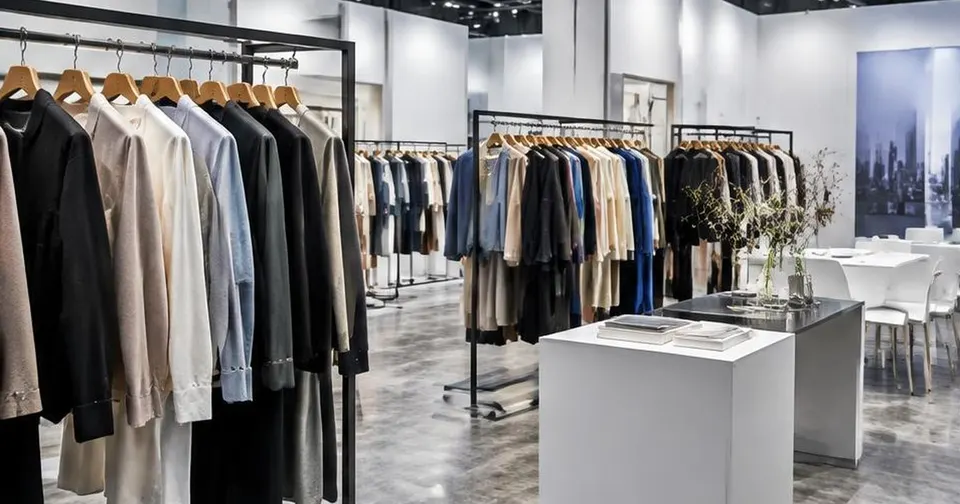
Read the event as a business system
The most useful way to understand Seoul Fashion Week is to separate what attracts attention from what enables a transaction. A runway can establish a collection’s visual identity. A trade appointment lets a buyer investigate whether that collection belongs in a store. Neither activity substitutes for the other. For a designer preparing to participate, or a retailer deciding whether to visit, that distinction changes the entire itinerary.
The official Seoul Fashion Week overview identifies the Seoul Metropolitan Government as host and organizer and describes a biannual global fashion business event. It also traces Seoul Collection’s beginnings to 2000. The overview is useful institutional background, but its generic calendar should not be treated as a booking confirmation: exact dates and formats belong to the relevant season’s announcements.
What the trade layer actually does
A particularly revealing primary source is the official 2026 S/S participation FAQ, covering the event held in September 2025. It describes an offline trade program with advance matching for overseas buyers and two participation formats: an order exhibition and showroom tours. In that edition, a brand could not participate in both trade formats simultaneously. These are documented seasonal arrangements, not promises about every future edition.
An exhibition concentrates brands in a shared setting. A showroom tour brings buyers into a brand’s own space. The commercial distinction is practical: the first can facilitate comparison across labels, while the second can allow a more contextual presentation. That assessment is source-based business interpretation, rather than an organizer’s claim that one format produces better sales.
The FAQ also distinguishes fashion shows, presentations and offsite activity. Presentations could use a brand-selected venue and flexible format, with event support for communicating invitations to buyers and press. A participant therefore needs to ask two separate questions: where will the collection be communicated, and where will purchasing discussions happen?
Visibility is not an order
A photograph can explain a silhouette without explaining delivery. A wholesale buyer still needs product references, composition, sizes, prices, order minimums and a realistic shipping window. A useful appointment connects the visual proposition to those details. If a jacket is the collection’s strongest image, the salesperson should be able to identify its orderable version immediately.
The following recommendations are business interpretation based on the platform’s documented buyer-matching structure, not official admission rules. Prepare a concise line sheet, a coherent sample rail and a written commercial framework before seeking appointments. Separate proposed terms from confirmed terms. A preliminary price should not quietly become a binding quotation, and an enthusiastic conversation should not be reported internally as booked revenue.
A buyer’s follow-up questions are valuable evidence. Repeated concerns about delivery may reveal an operational barrier; repeated requests for a particular category may suggest assortment interest. Neither necessarily justifies changing the whole collection. Record the question, the market and the purchasing context before drawing a conclusion.
Budget beyond the participation fee
The same seasonal FAQ says there was no Seoul Fashion Week participation fee, while explaining that costs outside the city’s specified support remained the brand’s responsibility. That distinction matters. No fee is not the same as a fully funded launch. Sample preparation, staffing and other unsupported work still need a budget, even when a platform reduces some participation costs.
The document also describes a separately selected Milan sales program through the Tomorrow showroom for eligible participating brands. The important lesson is procedural: an international follow-on opportunity can have its own eligibility, selection and support boundaries. Do not assume that appearing in Seoul automatically provides overseas representation, continuing sales services or acceptance into another program.
Before committing resources, obtain the actual season’s notice and identify what is supplied, what must be purchased and what must be delivered by the applicant. Keep those obligations in one working calendar. A polished show plan cannot compensate for missing registration documents or an unprepared commercial collection.
Build a useful visit or participation plan
For retailers, start with an assortment problem rather than a sightseeing list. Identify the categories, customer needs and price architecture you want to investigate. Request appointments with relevant brands, leaving enough time to examine construction and ask about replenishment. A dramatic runway look may be informative even when it is not an appropriate opening order.
For brands, assign responsibility for follow-up before the event begins. One person should reconcile buyer notes, sample requests and revised quotations. Send the relevant information rather than an indiscriminate promotional package. If a buyer asked about knitwear, answer the knitwear question first; add the broader brand story only where it clarifies the offer.
Takeaways: measure progression, not noise
Evaluate participation through stages: qualified meetings, requested materials, agreed next steps and confirmed orders. These are recommended management categories, not published Seoul Fashion Week performance statistics. They help distinguish a promising introduction from a transaction and make the event’s value easier to assess without exaggeration.
Seoul Fashion Week’s trade function becomes clearer when its elements are read together: public-facing presentation creates context, curated meetings enable investigation, and follow-up determines whether interest advances. The strongest preparation makes all three speak the same language. Check the current seasonal documents, prepare the commercial details and treat every visibility opportunity as the beginning—not the completion—of a business conversation.
Continue the analysis
This discussion connects with Andersson Bell and Wooyoungmi: Two Ways to Make a Korean Designer Brand Legible and How to Read Modern Hanbok: A Museum-Led Guide. Explore the full K-Fashion section for related coverage.
Editorial note: This is source-based explanatory analysis, not firsthand reporting or a supplier audit. The cover is an AI-generated editorial illustration, not a photograph of a named company, designer or event.
Style Serum Editorial Desk
Source-based industry explainers
Explanatory analysis prepared from the official sources cited in each article. No original interviews or supplier audits are implied.

Reviewed by
Vasundhara ChopraContributing Editor, Fashion Business & India
NIFT-certified stylist with an MA in Luxury Brand Management from Regent's University London, covering fashion business, retail and Indian fashion.
More in K-Fashion
Andersson Bell and Wooyoungmi: Two Ways to Make a Korean Designer Brand Legible
Style Serum Editorial Desk ·
How to Read Modern Hanbok: A Museum-Led Guide
Style Serum Editorial Desk ·
Behind K-Fashion: KOFOTI and Korea’s Textile Sourcing Ecosystem
Style Serum Editorial Desk ·